STAY CURIOUS
Keep reading to find the excellency out of perfection and skill.

By: Milestone 101 /
2026-05-19
hollywood
Cannes 2026 Recap: Hits, Misses, and Major Moments
Cannes 2026 blended cinema, celebrity culture, fashion, and controversy into one massive global spectacle. From Pedro Almodóvar’s anticipated return and Park Chan-wook’s historic milestone to Bollywood’s dominant red-carpet presence and Hollywood’s noticeable absence, the festival sparked conversations about whether Cannes still prioritises films or increasingly functions as a global PR machine.
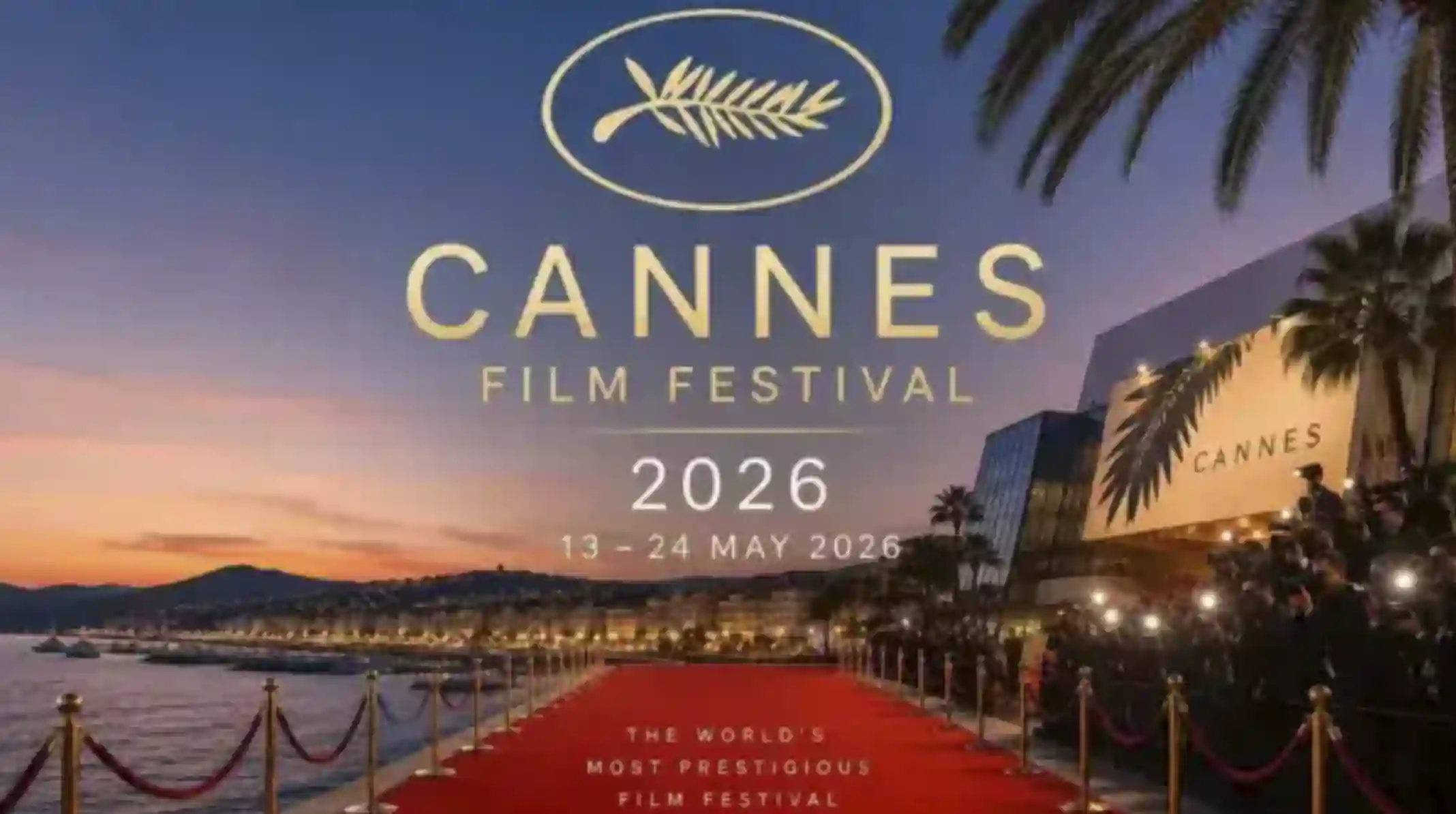
Is Cannes still about movies, or is it simply a high-profile PR stunt? The 79th Cannes Film Festival has served as both a celebration of world cinema and an incredible fashion battleground — often at the same time, and without ever apologising — over the past ten days. The 2026 edition of this Festival has had many moments of controversy and incredible splendour.
Cannes 2026 took place from May 12 to May 23. It provided audiences with high-quality films, debates about them, and many viral red-carpet moments, as well as some significant absences that have sparked much conversation in the industry, just like the films themselves.
The Cinematic Highs
There are 22 entries in the main competition at the 2026 Cannes Film Festival, representing the full range of cinematic styles from around the globe. Among these is Pedro Almodóvar's Amarga Navidad, which he has said is one of the most personal films ever made — early buzz suggests it will be deeply emotional and impactful for audiences. Another strong contender for this year's Palme d'Or is Asghar Farhadi's Parallel Tales, while Cristian Mungiu's Fjord stands tall as a third contender, a film of similar quality.
Meanwhile, South Korean films are dominating the festival again in 2026. Na Hong-jin's Hope — labelled as Korea's largest risk at the festival — is considered a significant release and fills audiences with anticipation, especially with hopes that he will reach new heights based on his past successes. The Korean wave at Cannes continues to flow as another major director (Hirokazu Koreeda, of Shoplifters fame) competes for best feature with Sheep in a Box.
Presiding over the jury is Park Chan-wook, the Oldboy director who made history this year as the first Korean filmmaker to receive the Carosse d'Or — the honorary carriage award for lifetime achievement — at Cannes. It's a landmark moment for Asian cinema's standing within the festival's most hallowed traditions. Joining him on the jury are Oscar-winning filmmaker Chloé Zhao, actress Demi Moore, and Swedish screen legend Stellan Skarsgård, among others.
India's Payal Kapadia, who stunned the world with All We Imagine as Light, taking the Grand Prix in 2024, returns not with a new competing film but as Jury President of Critics' Week — a fitting honour for a filmmaker redefining what independent Indian cinema can look like on a global stage.
The Misses and the Absent
In addition to the intense competition this year, we were also defined by those who did not come or the conversations around those who didn't come.
For the first time, most of the "big six" film studios from Hollywood — Disney, Universal, Warner Bros., Paramount, Netflix, Amazon, and MGM — are not at the Croisette this year. Also absent were major festival films such as Christopher Nolan's The Odyssey and Steven Spielberg's Disclosure Day, with Festival Director Thierry Frémaux noting that studios are now favouring controlled releases across various social media platforms.
On the auteur front, James Grey's Paper Tiger (starring Adam Driver and Scarlett Johansson) was added late into the program, but missed out on competing for the top prize. Two-time Palme d'Or winner Ruben Östlund is also missing from the list, with his anticipated film The Entertainment System Is Down not making an official selection.
Lastly, Barbra Streisand was absent. She was supposed to receive an Honorary Palme d'Or at the closing ceremonies. Still, she had to cancel her appearance due to a knee injury, leaving the night without a bright spot on the Croisette and continuing a disappointing trend.
The Red Carpet Spectacle
The Indian presence, in the wake of Hollywood's loss, might be compensating for Cannes, but there is still much more than just Bollywood Glory to be found throughout the festival. The Indian contingent at this year’s Cannes Film Festival was hard to miss, as it was both large and celebratory, though it also drew some controversy.
Alia Bhatt added a stunningly elegant touch to what some would call her very first trip to Cannes, and so did Aditi Rao Hydari. Tara Sutaria made her first appearance at Cannes, and there was much excitement about it across India as well. Mouni Roy, Huma Qureshi, Jacqueline Fernandez, and Prajakta Mali all walked the red carpet and contributed to Cannes's visibility through real-time posts on Indian social media platforms. Canada even had a presence at the festival through its filmmakers.
Among them, the regional Marathi cinema continued its push into the global marketplace, with a flag bearing its name—the names of its two Bollywood Legends, Ashok Saraf & Nivedita Saraf—among those attending this year’s Cannes. Moreover, a major milestone for Marathi cinema was the launch of Abhijat Marathi’s OTT platform, dedicated to delivering Marathi content to the masses, built from the ground up in Cannes — proof that regional cinema has the ambition to compete globally.
Urvashi Rautela was back for a fifth consecutive year. She made her entrance at the opening ceremony in a silver cape-style couture gown from the Vietnamese Designers of JoliPoliCouture — the gown featured crystal embellishments, sheer details, and dramatic, long, flowing sleeves that created unforgettable red-carpet imagery.
The most visible Indian personality at Cannes 2013 thus far is Aishwarya Rai Bachchan. As the long-time ambassador of L'Oréal Paris, Rai is expected to participate in the festival's closing ceremony on either May 22 or 23, but this will only happen after drama surrounding the brand's promotional advertisement featuring its global ambassadors on the exterior facade of Hôtel Martinez.
Aishwarya Rai was not included in this advertisement, leading to outrage from her fans on social media, and it became one of the most talked-about stories of the entire festival week. L'Oréal has yet to release a reasonable explanation for this omission.
Director Anurag Kashyap has also been very well received; he further supports the notion that Indian cinema is not relegated to simply being represented by celebrity brand ambassadors and attached to other well-known people, but rather that Indian filmmakers are beginning to be recognised as creative forces at Cannes as a whole and not simply as decorative items.
Another notable presence was Sharon Stone. Following the recent passing of her brother, Stone returned to the red carpet at Cannes with an emotional presence, and her warmth was evident during the festival. Stone shared her experiences while visiting India, describing it as deeply spiritual,e filled with meditation, ceremony, and cultural beauty. Stone's comments remind us that while Cannes is all about glamour and celebrities are a big part of that, the highlight of this year's festival was that Cannes continues to allow for authentic connections between human beings, which is ultimately why the festival exists.
The Larger Conversation
While at Cannes, Cate Blanchett spoke about her feelings towards the #MeToo movement in a brutally honest manner that cut through the festival's glitz. "It was killed off very quickly," she added — which rightly reflects how little (and how much) has changed in the film industry since 2017.
That conversation is at the core of what Cannes 2026 constantly asks itself, whether it is willing to admit it or not: What does this festival actually serve? The absence of Hollywood has created an opportunity to create this dialogue. The sheer number of Indian celebrities attending due to brand deals vs film projects has led many to question whether or not the purpose and intent of the Croisette is more about global cultural optics vs movie-making. By the same token, the launch of an area-specific Indian OTT platform at Cannes indicates that the answer to the question might be both (and that they're both continuing to grow together).
The influence of streaming is staggering, but it doesn’t even have to be present to be felt — the absence of both Netflix and Amazon still has a tremendous impact on production and exposure. The future of festivals like Cannes lies in whether or not they continue to provide a venue for discovering cinema, instead of merely displaying it.
What Comes Next
The festival will continue until May 23 and features some important upcoming screenings — including a screening of Andreï Zvyagintsev’s Minotaur and Pedro Almodóvar’s Amarga Navidad earlier on May 22, before the jury of Park Chan-wook goes into closed deliberation. The Palme d’Or will be awarded as part of its closing night and will be the culmination of a genuinely entertaining, sometimes frustrating and always well worth seeing Cannes festival.
Aishwarya Rai Bachchan is scheduled to make an appearance at the festival and will provide one last surge of red carpet excitement. While it’s still uncertain how Cannes 2026 will be remembered for its films and/or theatre productions, one thing is for sure: the world will be watching every move they make when the festival wraps.
2022 © Milestone 101. All Rights Reserved.