STAY CURIOUS
Keep reading to find the excellency out of perfection and skill.

By: Milestone 101 /
2026-01-24
hollywood
Same Weekend, Different Worlds: How Hollywood Turns Clashes into Events
This article explores how Hollywood turns same-weekend film clashes into cultural events, using Barbenheimer as a key case study. By examining counter-programming, audience trust, and past release overlaps, it contrasts Hollywood’s confidence-driven strategy with Bollywood’s clash anxiety.
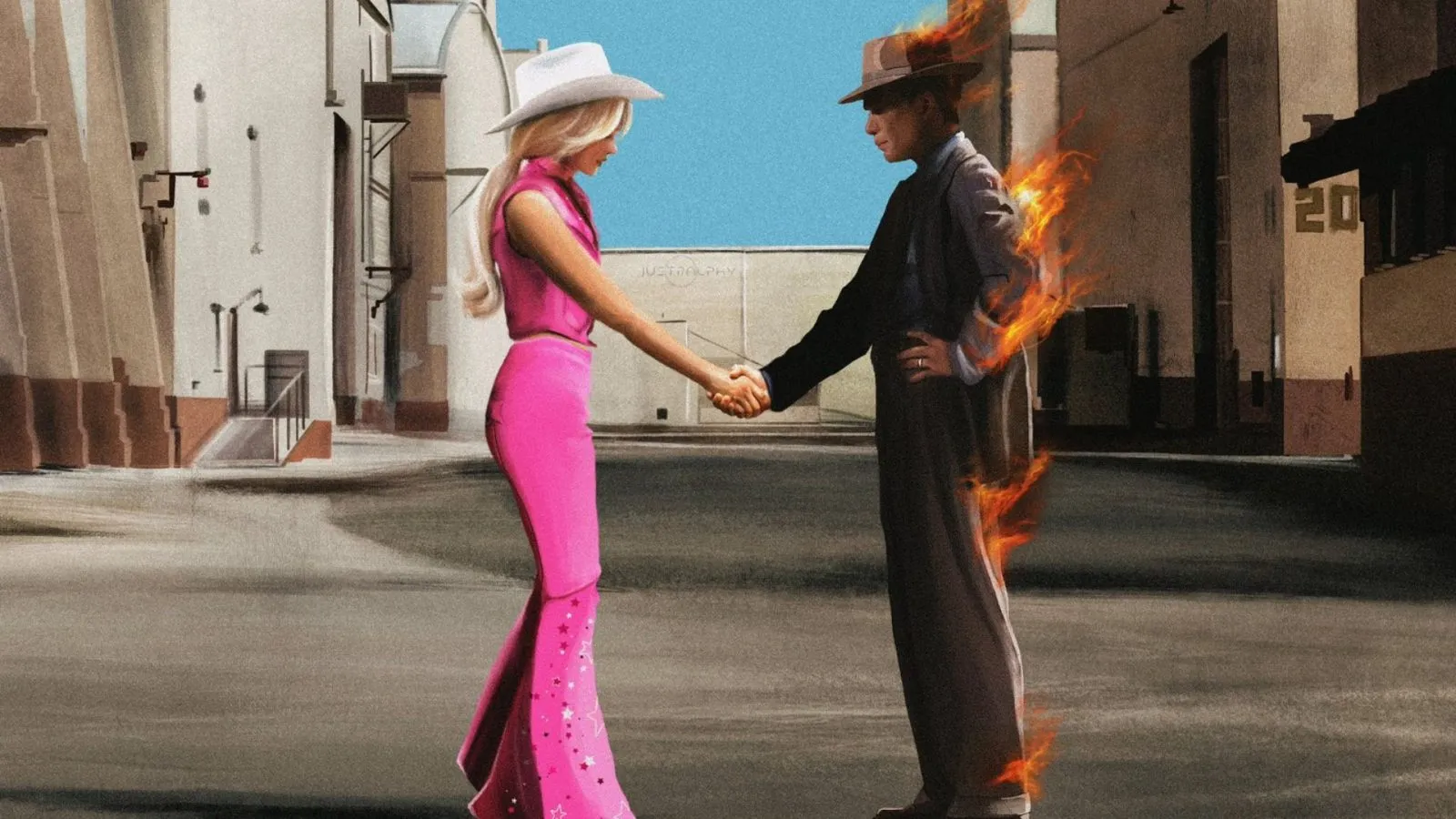
Barbenheimer was not only the day of the release of two different films, but also an opportunity to merge the two films' respective cultural conversations. The term "Barbenheimer" was created on the internet (a mashup of Barbie and Oppenheimer) to represent the unification of the two films, which would have otherwise been box-office rivals, into a rite of passage for a global audience. The "Barbenheimer" phenomenon allowed the audience to have fun deciding which theatre to visit first, rather than having to choose which film to support with their dollars. There were memes featuring both films, double-feature tickets sold out in many locations, and several theatres offered gift-packaged double-feature showings. This trend created one of the busiest weekends at the box office in recent cinema history for the combined Barbenheimer films. It exemplified the collective human experience we share through film.
Crucially, Barbenheimer wasn’t a manufactured stunt. Both films had long-announced release dates, and the phenomenon emerged organically as fans embraced the absurd contrast between pink fantasy and nuclear history. This moment highlights a bigger difference between Hollywood and industries like Bollywood, where release clashes are often treated as zero-sum battles. Hollywood tends to do the opposite. By trusting audiences to choose based on mood, taste, and curiosity, studios allow contrasting films to coexist, expand the audience, and turn competition into a collective event rather than a conflict.
The Weekend That Changed the Conversation
The Barbenheimer story is defined not by the weekend Box Office totals themselves, but by the social discussions surrounding them, long before the July 21, 2023, opening weekend. Months before the July 21, 2023, release date, film fans noticed that both Barbie and Oppenheimer were set to release on the same Friday, and neither title had been moved from its respective date.
As Hollywood’s marketing machine went into overdrive, online audiences felt compelled to create memes juxtaposing the brightly coloured bubblegum pink poster of Barbie with the stark black-and-white poster of Oppenheimer and how absurd it was that the two films seemed to exist on entirely different planets.
Whereas the initial thought might have been about who or what would win the “Barbenheimer” weekend and which rivalry existed between these two films, the result of the conversations was affection for both films, rather than any notion of animosity between them. Rather than asking, “Which movie should I see?” moviegoers instead started debating whether they could manage to see both films back-to-back. One viral TikTok trend involved moviegoers wearing outfits inspired by Barbie during the day to attend Barbie, and changing into darker-coloured attire after the sun went down to attend Oppenheimer.
These online conversations migrated from Twitter to TikTok, and ultimately to the lobbies of theatres, where moviegoers were making lookbooks of what they planned to wear each day and creating double-feature schedules. Ultimately, these conversations led to an entirely new social ritual that transcended viewing any one film; the two films together creating a new community.
The excitement translated into audiences filling theatres across the country; many independent cinemas did the same by hosting special costume nights and offering special concessions on the night of the movie's premiere. Additionally, major cinema chains reported selling out all their theatres for both Barbie and Oppenheimer. The frenzy began as an internet meme that became a catalyst for Barbie and Oppenheimer to have one of the largest opening weekends at the box office in recent times. The narrative was not about which movie would dominate or sell more tickets than the other, but rather about the experience of seeing both simultaneously, which created a unique moment of shared community through cinema.
That juxtaposition — laughter and introspection, cotton candy and mushroom clouds — turned attention into an event. Rather than collapse under the weight of dual tentpoles, the weekend became a festival of contrast. The enduring question wasn’t “Who won?” but “How did this work so well?” And that question opens up a bigger conversation about how Hollywood thinks about clashes.
Hollywood vs Bollywood: Two Very Different Fear Responses
Bollywood takes clashes on its release calendar very seriously. Year after year, franchise films and star vehicles try to claim the most favourable weekend. There is much speculation about who will change dates and who will stick to their existing date, and when those films are released, they risk losing their theatres to larger releases. The press treats clashes as epic battles; fans are polarised, box office takings are potentially compromised, and stars' egos are at stake.
Hollywood has a different view on this subject. If a movie has a release date, studios generally will not take action immediately upon hearing of any competition. Large studios plan years for release dates, using predictable anchor points to create their schedules, such as summer, holidays, and award seasons. When you develop a release date schedule, it's not chaotic to have more than one release on the same weekend; it's just another day on the schedule. A studio may even schedule a movie on a crowded date to show they are confident in their product, a confidence that comes from scale.
Hollywood movie studios have huge budgets to make and promote their films. A film described as a tentpole is expected to remain visible long after its initial release. This means the financial stability of these films does not depend on how much they make on opening weekend. It is also important to note that two movies may be released on the same date, yet their target audiences may be vastly different. In some cases, they may not even overlap at all. For example, the film's genre, tone, target audience, repeat-viewing patterns, etc., all help determine how a film will find its audience. When Barbie and Oppenheimer were released on the same day, the differences between the two films created a bigger opportunity for audiences to choose between them, rather than limiting it to just one or the other. People who were interested in seeing Barbie did not believe that Oppenheimer would compete with Barbie, and vice versa. In fact, many moviegoers saw both films on the same day.
Bollywood and Hollywood also approach audience choice and market behaviour differently, depending on market expectations. In India, there are fewer theatres to screen films, so there are many more movie theatres at any given time, which can create a scenario in which a movie's release date splits the potential audience and forces producers to move dates to protect it. In the US, there is a reliance on the audience's ability to make the right decision about which movie(s) to see, even if it means seeing both films. The film industry builds the audience's capacity to make this decision into its business model.
The History of Hollywood Clashes Before Barbenheimer
Hollywood’s love affair with release-date overlaps didn’t start with Barbenheimer. There’s a long history of films arriving together and thriving, because they offered very different reasons to go to the theatre. Each tells part of the story of why clashes can expand audiences rather than split them.
The Dark Knight vs Mamma Mia! (2008)
These two major films were released at the same time, but they represented totally different emotional realms. While The Dark Knight by Christopher Nolan dove into the depths of Gotham City’s moral decay, Mamma Mia! represented a brighter experience filled with daily enjoyment and ABBA songs. Moviegoers were not merely deciding which film they wanted to watch; they were selecting the type of experience they wanted on that particular day — adults who desired a larger spectacle and intensity could see Batman, while families, or those who enjoy musicals, could watch Sophie’s marriage. Therefore, both films had a fruitful opening weekend at the box office and sparked new discussions about what going to the movies could mean for consumers.
Mission: Impossible – Fallout vs Mamma Mia! Here We Go Again (2018)
Ten years later, a fascinating matchup showed up between Mission Impossible Fallout and Mamma Mia! Here We Go Again, movies. Both films offered exciting, global-style stunts and high-energy adrenaline (in Fallout) and nostalgic, feel-good musical fare (in Mamma Mia!). A better way to think of the contrast between high-energy adrenaline and nostalgic musicals is that, rather than two films competing against each other, they offered two different "menus" for moviegoers to choose from, depending on their mood. Moviegoers looking for adrenaline-fuelled action would have chosen Ethan Hunt (played by Tom Cruise). Still, if they were looking for catchy tunes and beautiful Greek scenery, they would have gone with the daughters of Donna (from Mamma Mia!). In this respect, both films had positive outcomes for their intended audiences, demonstrating that audiences can enjoy multiple types of movies without conflict over which they prefer.
Captain America: Civil War vs X-Men: Apocalypse
The conflict between Captain America: Civil War and X-Men: Apocalypse was not just a matter of tone. It was also a matter of universes. Both movies had a similar comic book audience, but their respective comic book universes were vastly different. There was a dedicated fan base for Marvel Studios' universe, and a separate one for the X-Men movies produced by 20th Century Fox. Depending on their individual preference for a certain universe, most fans either chose to watch Captain America: Civil War or X-Men: Apocalypse (or both). Because audiences were segmented into the two comic book universes and had established brand loyalty to them, both movies performed exceptionally well.
Jurassic World vs Inside Out
An additional excellent illustration can be found through the comparison of the releases of both Jurassic World and Inside Out. Both in theatres just a few days apart, Jurassic World is the latest instalment of a popular dinosaur series that audiences have been waiting for, while Inside Out takes viewers through the emotional development of your inner child, with a majority of the audience being families with children, as well as teenagers and adults. However, for many moviegoers, this wasn't necessarily an either/or decision, and they were able to see both movies over the same weekend and not feel that it diminished the experience of either movie, as the two films fulfilled completely different emotional and demographic desires.
Frozen II vs Ford v Ferrari
This past weekend, Frozen II (TBD) and Ford v Ferrari (TBD) were two films released on the same day with opposite themes. Frozen II's theme was more child-friendly with fun music and magical imagery for children and families to enjoy. Ford v Ferrari was made to be a suspenseful auto racing movie for adults and car enthusiasts. Although the two movies targeted different audiences, they each offered options for consumers looking for specific entertainment during this busy weekend with overlapping releases.
Weekend releases like these illustrate how films with varying themes, tones or target audiences can also be showcased together. By doing this, rather than providing confusion and competition between similar types of films, they give audiences a more rounded set of entertainment options. In essence, the box office is no longer a battle zone; rather, it is an organised, curated listing of options available to viewers.
Counter-Programming: The Real Hero of These Clashes
At the heart of Hollywood’s willingness to embrace potential clashes is an idea called counterprogramming. This means studios intentionally schedule films with very different tones or appeal to different demographics so they don’t directly cannibalise each other. When you give audiences meaningful choices — light vs. dark, fun vs. serious, family vs. adult — you invite broader attendance.
In the simplest terms: The studio isn’t chasing the same audience twice. It’s chasing different audiences within the same time frame.
The contrasting movies evidence the effortless nature of the Barbenheimer style. Barbie attracted viewers who wished to explore her whimsical world through nostalgia, an appreciation for themes of female liberation, and irreverent comedy. Oppenheimer attracted movie lovers, history enthusiasts and followers of Christopher Nolan's thought-provoking filmmaking style. Some people went to see only one movie; others went to both; "double features" became a buzzword of sorts — both as an excuse to go out together to see two different movies and as an experience to discuss.
Counter-programming plays well with audience preferences because counter-programming acknowledges that people have nuanced preferences in their movie choices. An action fan may not typically be inclined to see a romantic drama; however, that same fan may invite a significant other who prefers musicals. A parent may bring their children to an animated film and later watch it together as a family. Moviegoing goes beyond simply spending money to see a film; it encompasses emotional and social interactions between people. When studios recognise this, they no longer see competition as an all-or-nothing proposition, but rather an opportunity to meet the needs/wishes of multiple market segments simultaneously.
Audience Trust: Why Hollywood Lets Viewers Decide
Rather than taking pride in their release dates, Hollywood trusts the audience to make informed decisions and take action. Many international markets view competition with anxiety, wondering which studio will lose screens, viewers, or respect. Instead, Hollywood believes that most moviegoers are intelligent, willing to try something new, and will return to the theatre for more of what they enjoyed.
As we got closer to the Barbenheimer phenomenon, it became clear that the weekend was not an ultimatum for fans; it was about making two separate and distinct decisions. Fans started posting photos from their Barbie costume parties and made plans to see Oppenheimer later that same night — some wore Barbie costumes and then changed into something else for Oppenheimer. It also appears that fans were willing to divide and conquer, with some friends going to see Barbie while others attended Oppenheimer, and then exchanging opinions afterwards. This choice creates opportunities and helps facilitate a return to the theatre.
Online discussions, such as Reddit threads by film fans, reflected this sense of agency. Rather than debating which movie was superior, users shared strategies for watching order, creative poster mashups, and anecdotal stories about their double-feature experiences. Choice became part of the narrative — not just which movie you prefer, but how you experience them that weekend.
That kind of audience engagement signals something bigger: a belief that viewers aren’t passive consumers but active participants in cinema culture. Studios don’t shy away from that anymore. They market films in ways that invite participation — from social media challenges to fan costumes and themed screenings — because they know that when people feel ownership over an event, they’ll make it bigger.
The Internet Turns Clashes into Events
In the age of social media, a clash isn’t just a scheduling footnote — it’s content. Memes, threads, TikTok challenges and threads turn "same weekend" into a narrative that audiences join. What once might have been chatter among cinephiles now becomes mainstream buzz.
Barbenheimer thrived because the internet didn’t just report on two release dates. It played with them. Pink and black posters blended into memes. Outfit inspiration posts trended. Some fans made themed snacks. Online debates about whether to see Barbie first or save Oppenheimer for a late-night screening filled comment sections. Seeing both movies became a badge of cinephile honour — a story to post, share and revisit months later.
The way we talk about films has changed. In the past, when two movies came out on the same weekend, it was mainly something the industry discussed in trade publications and/or newspaper articles. Today, it is the general audience that has amplified this conversation. Studios are not trying to stop that organic conversation; they are instead trying to harness it. Studios realise that when two films open at the same time, if they can build excitement on social media, it can create an event — a shared experience for people looking to see Barbenheimer the same weekend.
A Reddit discussion years after the fact has shown that industry professionals who market film today still consider Barbenheimer a "case study"—not just for film marketing, but for how cultural events can arise from audience involvement rather than top-down Hollywood marketing campaigns. In Hollywood today, instead of waiting for buzz from a movie premiere, you will hear about buzz from audiences before they even get to the movies.
Is This the Future? From Barbenheimer to What Comes Next
The Barbenheimer phenomenon has shown the film industry that clashes can be celebrated for their own sake rather than seen as battles. Studios are beginning to plan their future releases by creating more of these clashes than by avoiding them.
For example, the concept of Dunesday (an absurd name coined by the film industry to refer to the day when two major fantasy films face off against each other) demonstrates the idea of using juxtaposition as a means to get audiences excited about choosing one movie over another; this has become an integral part of the overall film schedule. Studios now believe that when an audience is allowed to experience multiple films at the same time, it does not mean they will choose one over the others; instead, it allows them to create their own weekend storyline using a variety of films.
The Takeaway
Clashes are now bankable events, combining elements of timing, tone, and audience expectation for maximum impact. Barbenheimer was a superb example of how two films can exist separately yet coalesce to create conditions conducive to the creation of an Event. The Barbenheimer phenomenon has proven that audiences respond positively to an expansive selection rather than a narrowed one.
Families can select either an Animated, family-friendly film or an Adult period piece; in both cases, the individual is still choosing to attend the cinema to watch the film. The longer you give patrons the option of many different types of films, the greater the likelihood that they will attend and, in turn, create positive memories.
This is why Hollywood does not shy away from Clashing Films; rather, it welcomes them. When two theatres feature the same weekend movies, they can spark broader conversation and attract more audience members for a more enjoyable movie-going experience.
2022 © Milestone 101. All Rights Reserved.