STAY CURIOUS
Keep reading to find the excellency out of perfection and skill.

By: Milestone 101 /
2026-05-09
hollywood
Silicon Valley Steps Into the Front Row: Inside Tech's Obsession With Fashion
The tech industry once mocked fashion as superficial, but today Silicon Valley is sitting front row at luxury runway shows and collaborating with major brands. This article explores why tech leaders are chasing cultural relevance through fashion, how aesthetics and algorithms are merging, and what this growing alliance means for creativity, influence, and power.
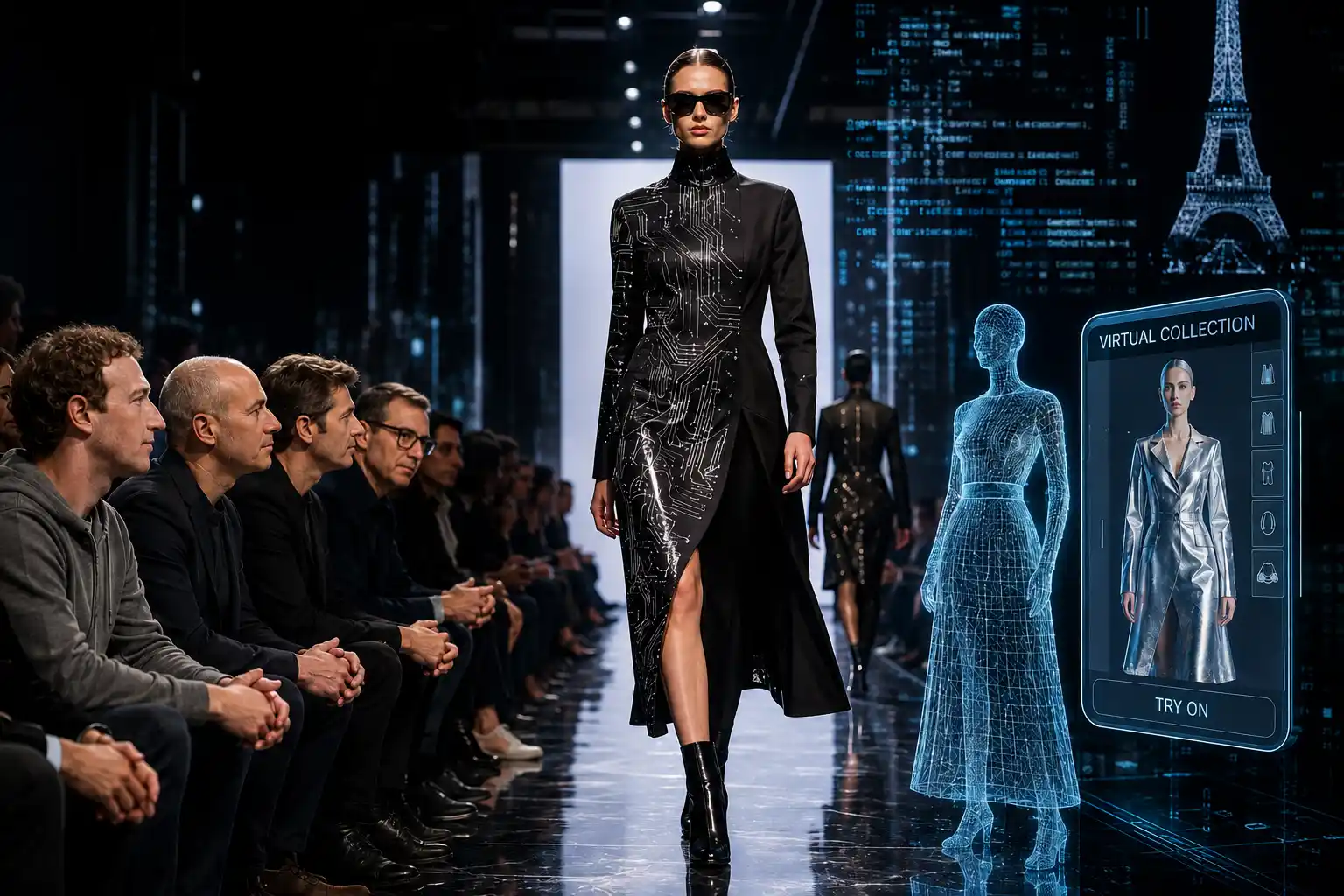
The tech industry previously dismissed fashion, viewing functional sneakers, hooded sweatshirts, and distressed jeans as standards of "seriousness." The more attention you paid to how you presented yourself (put-together), the less serious it seemed that you were trying to build something of value.
Tech's view of fashion has changed dramatically since that time. Technology firms are now engaging with one of the world's most visible and high-profile industries: fashion. You see technology showing up at Paris and Milan fashion weeks, collaborating with luxury fashion brands, and generally participating in an ecosystem that technology once ignored.
These developments are not occurring by coincidence. There has been a significant shift in power dynamics. Tech leaders are no longer content to build their platforms from behind the scenes; they desire cultural visibility. Their participation in fashion relates not merely to its aesthetic nature but also to the influence they have had in shaping how these systems are perceived and experienced.
The Real Motive: Power, Image, and Cultural Legitimacy
While it's certainly worth considering what's going on, perhaps the more compelling question is the why; and the answer lies in a combination of changing cultural aspirations, the evolving nature of influence, and the merging of once-distinct power structures. In addition to their considerable wealth and global presence, technology leaders have had a sizeable cultural deficit, one that isn't easily solved by spending money.
Even if you have built the type of platform that billions of people regularly use, you won't engage in shaping what people see as fashionable, how they define themselves and their aspirations, and so forth. The fashion world, in contrast, has always used clothing to express identity and values ("Who is this person?"), as well as to indicate the person's position within a larger cultural framework. As such, when tech executives start to cross over into the world of fashion, they are doing much more than pursuing an interest; they are gaining the ability to influence fashion, shifting their role from a facilitator of culture to an active participant in defining it.
There is a growing desire for cultural relevance tied to visibility on social media. This means that images are no longer secondary to what you do, but are intrinsically linked to the work you do. Therefore, everyone has become a brand; even though billionaires can afford to be visual, they cannot afford not to be visual in a perception-based marketplace.
The old model of the unknown genius behind a computer has shifted to an expectation of presence, because the way you are seen is as important as what you create. Because of this, fashion has become a useful shortcut for creating a visual identity that shows taste and intent, and connects to broader culture, turning first-row appearances into statements of relevance rather than merely attending an event.
For the fashion industry, opportunities to innovate are now occurring more outside their own world than ever before, creating new pathways to market by opening up their traditional definition of ‘what is fashion’. Many of these innovative technologies and tools have found their way into the fashion industry through existing fashion brands or retailers seeking to adopt new tools or techniques within their own supply chains or customer relationships.
With these latest changes, however, there is also an ever-increasing need for those designing, creating or selling products to think about how they will interact beyond the physical limitations of how they are currently selling goods; it will require them to use current technologies as means by which they can be more efficient in terms of product delivery, and ultimately, it will lead to all aspects of their businesses becoming more collaborative and fluid; so it is very much a two-way relationship.
When Aesthetics Meet Algorithms
The relationship between them creates a unique context in which power is merged in both positive and negative ways (positive through collaboration and negative through consolidation), with technology and the means through which culture is expressed now holding it.
The only way to get media to create culture is to have both technology and fashion come together on the same platform, which is the means by which to create culture. This creates an entirely different ecosystem in which the influence of culture will be multiplied and consolidated in fewer hands.
The ability of runways and product launches to shape cultural consumption goes far beyond simply designing clothing; it has as much to do with where and how we create public opinion, what story to tell, and how to tell it, as it does through the media, creating culture in the context of digital technologies.
You can see evidence of the merging of technology and fashion on the runway in the aesthetics of fashion today, where technology is often represented in a less obvious way but still has a presence in the manner by which fashion is created and presented, in terms of precision, structure, the engineering type of elegance to fashion and the idea that the fashion industry creates not only fashion as a means to express creativity but also as a means to create quality of the product and to deliver it on an engineered basis.
The way the silhouettes are displayed appears more organised. At the same time, the types of materials used have become more experimental and electronic in style, and the presentations of the garments used to create a fashion show now often incorporate digital and virtual elements that make the runway space look like a blend of the physical and the virtual. This shows that the artistry behind clothing has not disappeared; however, the way it is expressed has changed in response to a new way of thinking.
Fashion is still aesthetically influenced by the development of new technology; however, the way the audience experiences fashion has also changed, due to the development of the internet, through the advent of livestreaming, augmented reality try-ons (or fittings), and virtual collections, which altogether create a new way of experiencing the world of high fashion and this allows consumers the opportunity to engage with clothing and accessories from anywhere on the planet, when in years past it would have been an exclusive engagement requiring in-person attendance. Therefore, consumers now have the option to participate in high-fashion shows via livestream; however, this does present consumers with a new form of exclusivity based on digital visibility or algorithmic reach.
The Takeaway
This potential convergence has received multiple criticisms; therefore, it is essential to sit with the discomfort this convergence creates and not simply dismiss it as a form of resistance to change, because there is growing worry about how the rise of technology-driven individuals in the fashion space may take away focus from the creative individuals who have built the fashion industry. This shift in focus may also shift attention from designers and artisans who create fashion to individuals who provide funding and visibility for it, and it calls into question whether this interest in fashion stems from a true passion or from strategic brand management alone.
Similarly, there is a deeper concern about the industry's uniformity, with worries that as technology advances, the fashion industry will lose some of its spontaneity and edge, becoming increasingly reliant on data rather than intuition. If algorithms begin to dictate trends based on engagement metrics instead of artistic vision, this will disrupt the methodology of risk-taking that has historically defined many of the most iconic moments in history. Additionally, there will be tension between efficiency and originality that the fashion industry is continually trying to balance.
Ultimately, this isn't a narrative about fashion, or even about the guys making all the dough who sit front row at all the fashion shows; it's really about who has power and how that power changes in a world with no barriers between industries, where fashion is a representation of current culture, and how if we look through the lens of today's environment we notice a major upheaval of who shapes our culture and, equally importantly, how they frame that culture; leaving us with an open-ended question to think about after the runway lights go out... Is fashion going to remain an outlet for creativity, or will it ultimately be another outlet for control, volume, and the constant hunt for relevance?
2022 © Milestone 101. All Rights Reserved.