STAY CURIOUS
Keep reading to find the excellency out of perfection and skill.

By: Milestone 101 /
2025-12-10
hollywood
Warner Bros. Under Netflix: The New Empire of Entertainment?
A deep dive into Netflix’s potential takeover of Warner Bros. and how it signals a historic power shift in global entertainment. This article explores what it means for Hollywood, streaming dominance, subscription costs, creative freedom, and the future of audience choice in a rapidly consolidating media world.
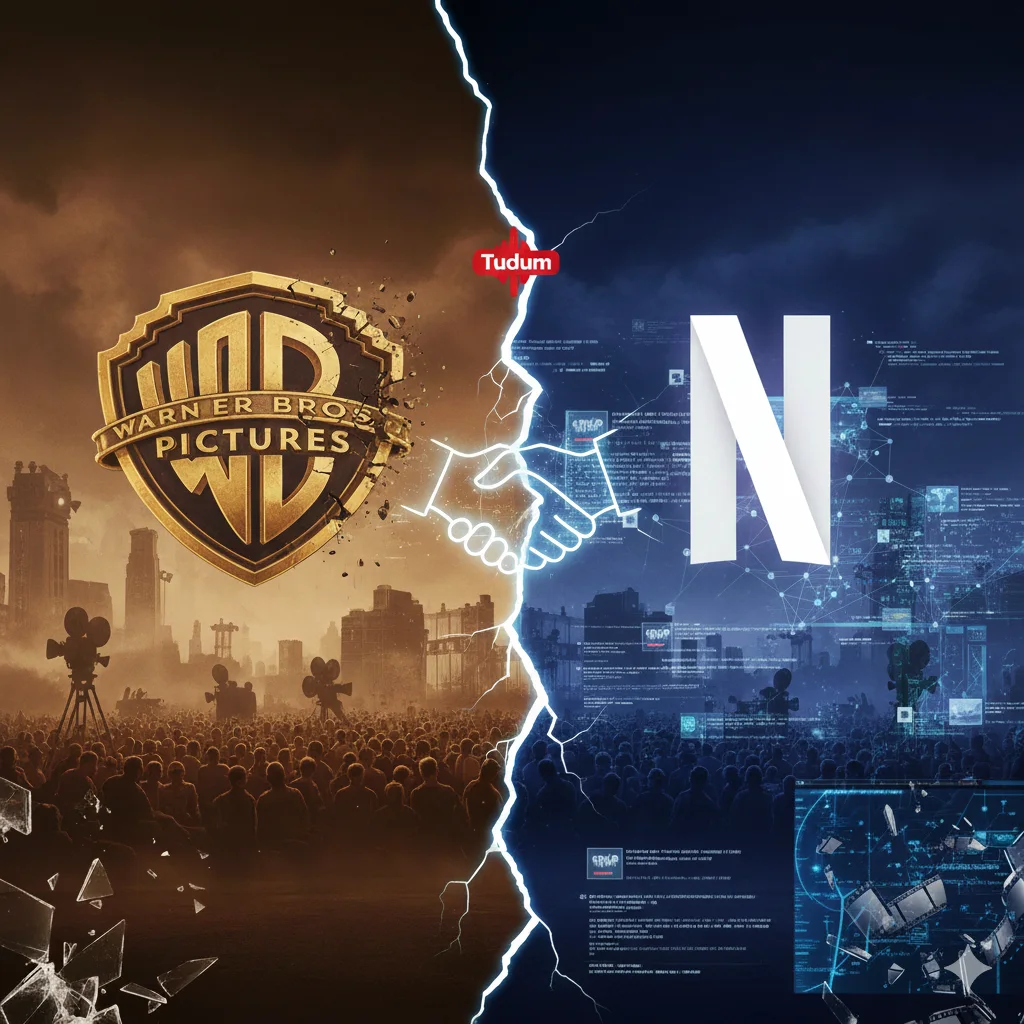
There was a time when the power in Hollywood was easy to spot. You could see it on studio gates, on studio lots, and on the backs of iconic logos that opened films for generations. Warner Bros. was one of those logos. Heavy. Commanding. Old-school. It stood for a system that built stars, controlled distribution, and defined what movies meant to the world.
Now imagine that symbol living under the roof of a company that didn’t even exist when some of Warner’s most important films were made.
The monumental takeover of Warner Bros. by Netflix conveys the impression of more than a corporate handshake; it creates a confusing effect of collapsing timelines. A technology-based company that has built its entire business model on algorithmic design, taking over a movie and television studio responsible for creating the language of global cinema. Numerous publications, including Reuters and the BBC, reported on the impact this acquisition has had on the industry. It was not only an industry surprise, but it also upset the existing order. This changes everything in Hollywood, representing a break with the status quo, not just a takeover of assets.
This is the moment streaming didn’t just coexist with Hollywood.
It swallowed it. And nothing about power in entertainment looks the same after this. Here's a look at what this deal, if it happens, could mean for the entertainment industry and the audience.
Warner Bros.: The Studio That Built Hollywood
Warner Bros. has never been considered merely as a movie studio, but rather an empire disguised within Backlots, Soundstages and Spotlights, creating Power from Lights, Cameras, Crews and Myth-making through their motion picture productions. During the 1930s-1940, Warner Bros helped create a global habit of cinema for all cultures by providing Rhythm for Gangster Films, Energy for Musicals, and Reality for War Dramas. Throughout the Mid-Century decades, Warner Bros has supported and produced Unique Directors, Innovative Scripts and Star-Driven Stories while producing a machine that knew how to create Art and Dominate.
Millions of children grew up with the recognition of that Shield before the beginning of any Movie produced by Warner Bros., and through its numerous types of films, from Noir to Westerns to Animated Films to Blockbuster Franchises, it didn't just follow the direction of cultural change but also Defined Cultural Change. And because they have evolved, all the way to the present day, with a new focus on audience needs through new media platforms like CNN, their History and Evolution will continue through the next generation of Audiences as a resource they can utilise as they grow and discover the Art of making films.
It represented a belief system where power lived in physical places, in giant soundstages, massive crews and packed cinemas where strangers experienced the same stories together. This mattered because studios like Warner didn’t simply create films; they controlled distribution, owned theatres, built stars from scratch and decided what the world would watch.
This is what makes the Netflix buyout feel so emotionally significant - Warner Bros. was not a company failing in terms of its relevance or its spirit; it had historically represented one of the last remaining links to a system that enabled Hollywood to establish dominance over the entire world via physical control, and now that very exact representation is encapsulated in a Company that has been developed on a digital platform instead of using celluloid for production, thus creating a contradiction that lies at the very heart of this changing reality.
Netflix: From Disruptor to Empire Builder
Netflix started at the bottom end of entertainment compared to Warner Bros. Instead of flashy, gated studios and lots filled with stage equipment, Netflix offered consumers an alternative to the hassle of renting DVDs. With its convenient, easy-to-access online rental service, customers can now avoid late fees. At that time, Netflix had no connection to the glitz and glamour of Hollywood or the red carpets that were part of the entertainment industry. In the years since, Netflix's seemingly small idea has grown into a giant player in the entertainment industry that was once known as "traditional".
By moving content from physical media to digital delivery via streaming, Netflix has dramatically changed how people engage with content, providing recommendations based on data analysis rather than subjective opinions. This has taught consumers to start watching content on demand rather than waiting for long-anticipated theatrical releases and prime-time television.
This transformation, captured by The Times of India and MediaNama as the “Tudum Effect,” made content launches feel like global events, generating discussion and excitement even before critics could react. Netflix didn’t seek to build Hollywood—it trained audiences to consume content outside its traditional frameworks, redefining viewing habits and audience expectations worldwide.
Netflix's long-term vision is to expand its subscriber base, control its own intellectual property, and gain independence from Hollywood's traditional business model. By purchasing studios, Netflix made the transition from disruptor to dominant player, gaining control over many of the same companies that had previously been its biggest competitors. As a result, Netflix has essentially merged the companies that built the structure (the studio owners) with the companies disrupting the structure (technology companies), establishing a subtle conquest of the entertainment industry by combining technology, data and content into one entity and reshaping how entertainment is created, produced and consumed.
The Deal Itself: What’s Really Happening?
The acquisition of Warner Bros. Discovery by Netflix signals a substantial realignment of the entertainment business for Netflix, with the complete assimilation of Warner Bros. Studios and its streaming operations. In addition to acquiring programming libraries, Netflix will also gain access to Warner Bros. Discovery's technology, operating procedures, and experience, allowing Netflix to leverage decades of studio expertise to enhance its competitive edge by utilising original content, producing TV shows, and leveraging franchises to position itself in the market.
Variety notes that the timing is strategic: traditional studios face financial constraints, streaming costs have risen, and maintaining old studio models without technological scale is increasingly impractical. NDTV Profit highlights that Netflix is prepared to take on significant debt, reviving the “Debtflix” narrative that continues to put pressure on the company to monetise content efficiently and meet financial obligations. Investor reactions have reflected caution, with CNBC and the Wall Street Journal pointing to uncertainty rather than celebration.
By acquiring content, creative infrastructure, and production systems from various entities during an era when the entertainment industry is consolidating and the streaming service marketplace is becoming more mature, Netflix is creating both a framework of possibilities for creators who work in this sector, but also an environment that causes fear (among competitors), regulatory scrutiny and ultimately creates an imbalance of control within the marketplace. Consequently, integrating these diverse elements creates an aggressive, transformative approach to solidifying Netflix’s current market leadership. Ultimately, the combined strength of all three components has established a new dynamic in the global entertainment industry's overall balance of power.
The Three Core Fears and Promises
One Platform, Endless Entertainment
The appeal of having all significant entertainment available through a single service cannot be ignored, as it offers viewers unparalleled convenience and control over their viewing choices. As stated by The Guardian, BBC, and The Atlantic, the combination of Warner Bros.' catalogue ("classic" films, blockbuster franchises, and high-quality television series) with the Netflix Original programming will not force users to switch between multiple apps or experience the frustration of having to search through various services to find the same film or TV series again. Through consolidation, Warner Bros. and Netflix can introduce entirely new cinematic universes, spin-offs from existing franchises and total reboots of older franchises. However, even though we view ourselves as having authority over our viewing selections due to the advancements made in aggressively marketing their brands, this sense of power is somewhat temporary; the continued expansion of the ecosystem will begin to shift control back to the digital platform providers who are creating it, ultimately leading us to question who really makes the viewing decisions for the public at large.
The Price Fear
While Netflix continues to acquire media companies like Warner Bros., it also faces mounting debt, signalling that the era of unlimited excess is ending. NDTV Profit reports that debt must pay investors back, and, from CNBC's perspective, they downgraded Netflix after credit holders became aware of the significant pressures facing it, with subscribers ultimately incurring the costs. The Guardian reported that consumer lawsuits are being filed amid growing concerns about subscription fatigue and being locked into a dominant ecosystem.
Overall, historically, when major media consolidations have occurred, due to the inherent factors of running a business (like the need to provide a service and remain financially viable), subscription prices have increased for consumers. If Netflix continues to take on massive amounts of debt, it would be unreasonable for them not to raise subscription prices, thereby turning the potential benefit to users of being able to access an extensive catalogue of content into a structured financial liability for users.
Duopoly and Oligopoly Risks
The deal between Netflix and Warner Bros is indicative of an increasing systemic danger across many facets of the entertainment ecosystem. Article from CNBC and Firstpost outline how as the consolidation of the highest tiers of content producers continues, actual competition becomes performative and therefore, the options available to consumers continue to diminish; the Wall Street Journal also outlines how those companies holding most significant segments of content producers including Netflix, Paramount and Warner do so by consolidating stake ownerships thereby decreasing incentive for innovation and creative risk.
With fewer remaining players, the ability of the smaller independent studios to distribute content is further restricted, leading to a predominance of formulaic content; duopolies and oligopolies do not solely have an impact upon business but limit the diversity of available content to consumers, creating the limited homogenous experiences globally delivered via traditional methods of distribution. This transaction will have far-reaching implications not only for Netflix and Warner, but, over time, it will narrow the options available to and the creativity within all members of the entertainment industry.
Historical Parallels: Mergers That Reshaped Media
There is a long history of Power consolidations in entertainment. However, the AOL & Time Warner Merger was an early crash point that revealed how badly tech & media had collided, and that collision had come too soon. When the AOL & Time Warner merger was finished, mismatched cultures and expectations led to its rapid demise. The acquisition of 21st Century Fox by Disney essentially destroyed the blockbuster ecosystem by bringing entire catalogues under one corporate umbrella/brand, created a new model for all major franchises, and increased competition among traditional entertainment companies.
Media from reporters across many outlets, including Reuters, CNN, and The Guardian, have consistently revealed that the consolidation of power in entertainment occurs approximately every few decades, with the emergence of new King regimes, many of the old empires being absorbed, and the regular emergence of new King regimes.
The pattern of entertainment consolidation continues through the Netflix & Warner Bros. deal. However, the scale of the Netflix & Warner Bros. deal is different because data drives it. In this version of consolidation, data owns the studio rather than the studio owning the future, and that shift may be the most disruptive part of the entire story.
Global Shockwaves: What This Means for World Cinema
This agreement between the entities above transcends Hollywood's borders, with an impact that extends across multiple countries to international markets. Reports from the Times of India (TOI) and MediaNama Media & Entertainment Analysis support the claim that people worldwide are currently vulnerable due to Netflix's rise. As Netflix grows, it not only sends content across the globe but also customises its content preferences to increase its viewing audience.
The BBC wrote in a 2009 article that economies of scale enabled by algorithms mean that unless a story is ranked highly in the algorithm, it will not be visible to viewers. The way this phenomenon has disrupted or transformed how the audience views culture is that the gatekeepers of that culture are no longer local producers, regulators, or distributors; they are global recommendations generated by algorithms designed to achieve Global Efficiency.
For countries like India, this fact represents a two-pronged risk, as highlighted in TOI's reports, by taking away the bargaining position of local film industries or removing the ability of local Video on Demand companies to create in significant volume. If Netflix monopolises both the prestige of cinema and the functions of video distribution in the era of new technologies, soon the entire world will know how to view what Netflix imports or promotes on its platforms. Film industries have survived colonialism, censorship and war, but algorithmic cultural dominance is a quieter and more invisible threat, because there is no obvious villain, no public outrage and no dramatic collapse, only a slow and silent replacement of local voices by globally optimised tastes.
Controversies and Political Heat
The Netflix-Warner Bros. merger generated significant opposition beyond the business world, with prominent figures such as U.S. President Donald Trump expressing a desire to participate in the merger's negotiations. This has illustrated how the merger has crossed from an entertainment issue into a political one.
The growing influence of a handful of technology companies on the film industry is causing concern among governments and regulators alike. In fact, recent research by The Guardian has shown that filmmakers, theatre proprietors, and creative unions are all fearful of the consequences of Netflix's power for their businesses and livelihoods. Reports indicate that Netflix may be interested in acquiring physical cinema chains as part of its overall strategy following the Warner Bros. merger.
At the same time, consumer concerns have begun to take legal form. According to reporting by The Guardian, lawsuits tied to the deal argue that consumer choice may be harmed by reduced competition and forced ecosystem lock-in. BBC coverage has framed the controversy less as a single acquisition and more as a flashpoint in a much longer fight over who decides how culture is funded, distributed, and priced. What started as a corporate strategy story has quietly become a debate about democracy, access, and cultural ownership. The uncomfortable truth is that this isn’t just business anymore. It has become political by nature.
The Takeaway
The merger of Netflix with Warner Bros. marks a change in the history of entertainment, uniting a studio that has been producing films for nearly 100 years with a digital streaming platform that grew from coding, data, and behavioural analysis. On the surface, this merger provides greater breadth of options for consumers, as they will now have access to more than 100 years of cinematic history, popular franchise films, and original Netflix programming.
Additionally, the average consumer will have a much easier time discovering all of these products and services, and, as a result, they will feel there is virtually an unlimited supply of films available to them. However, with this vastness come several negative consequences, including increased pressure from debt to raise prices, fewer competitors putting a damper on creative risk-taking, and an increasing reliance on algorithms and machine learning to determine which stories succeed and which fail, thereby replacing human judgment and reasoning.
Furthermore, the shift in power from studio lots, creative teams, and production rooms to data centres and recommendation engines is an unsettling trend that raises the question of who will control the culture of our society going forward. Thus, while the streaming platform may produce more content of higher quality, it also concentrates power at the centre, so rather than the question being about quality, the real question becomes about power. Are we living in a golden age of storytelling, or are we just at the beginning of a monopolistic future in storytelling?
2022 © Milestone 101. All Rights Reserved.